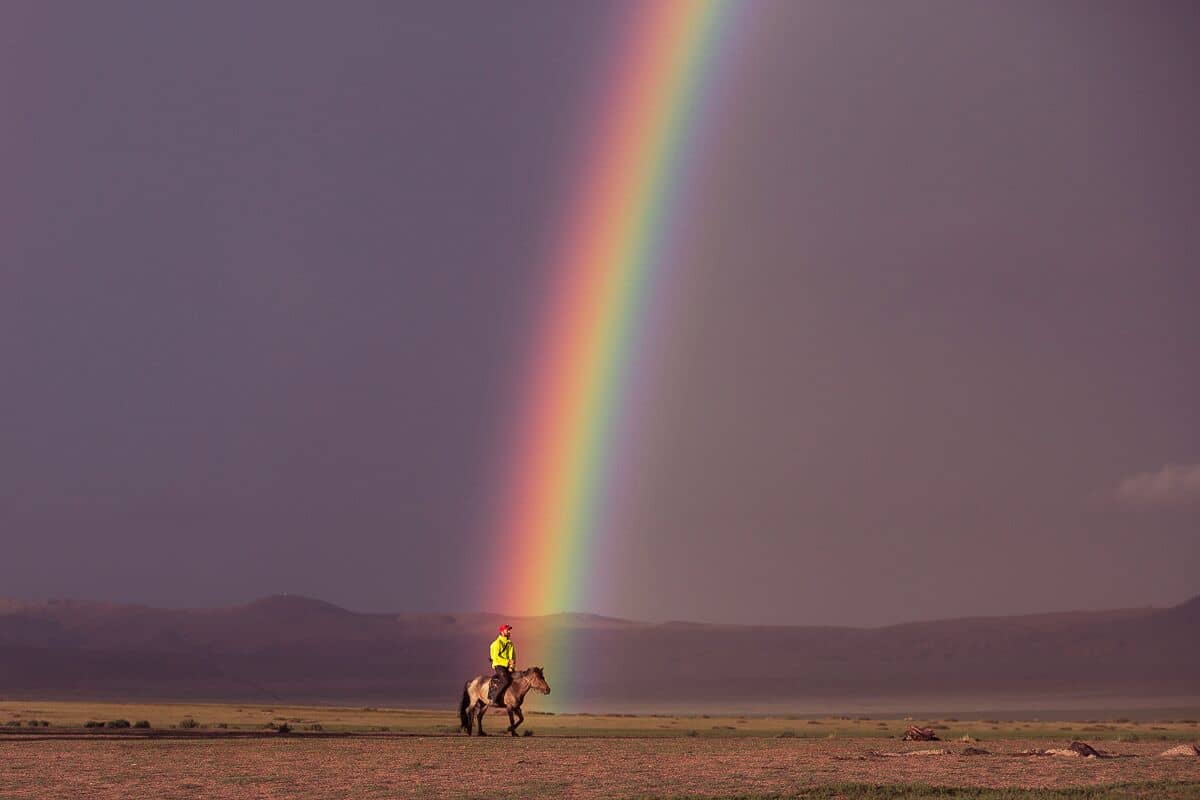
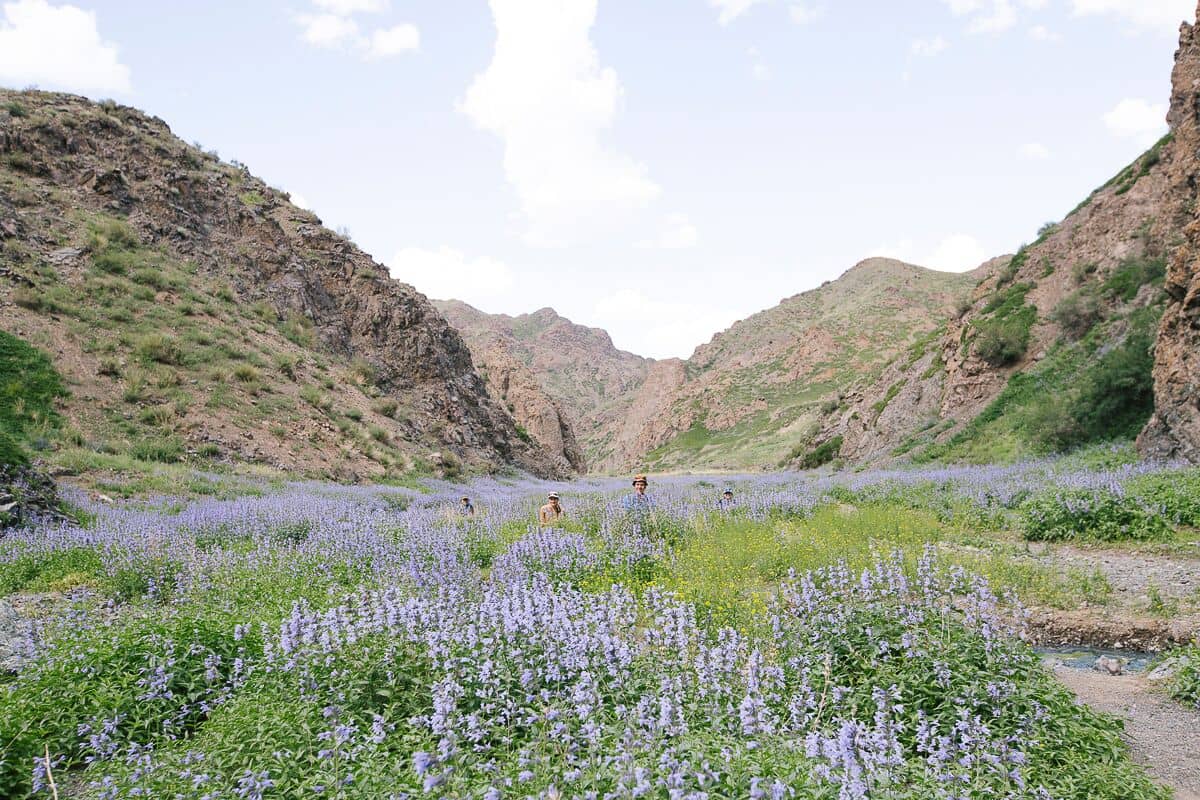
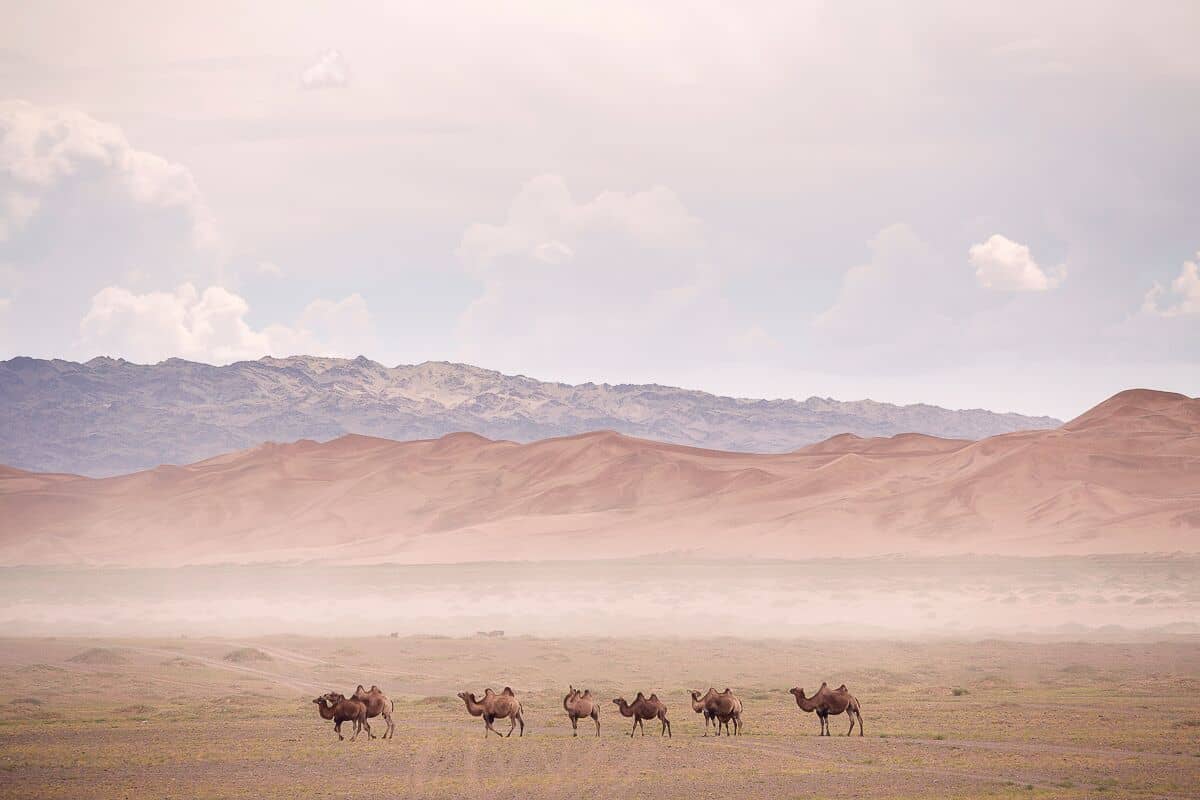
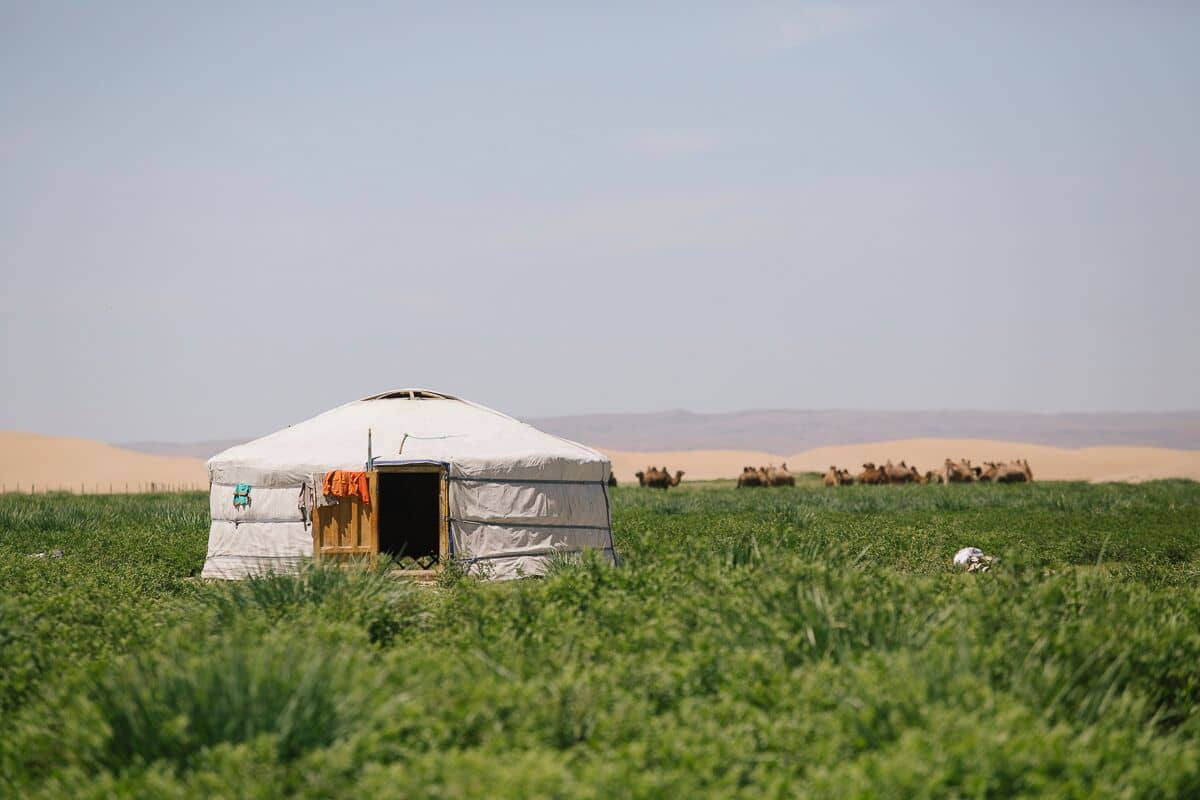
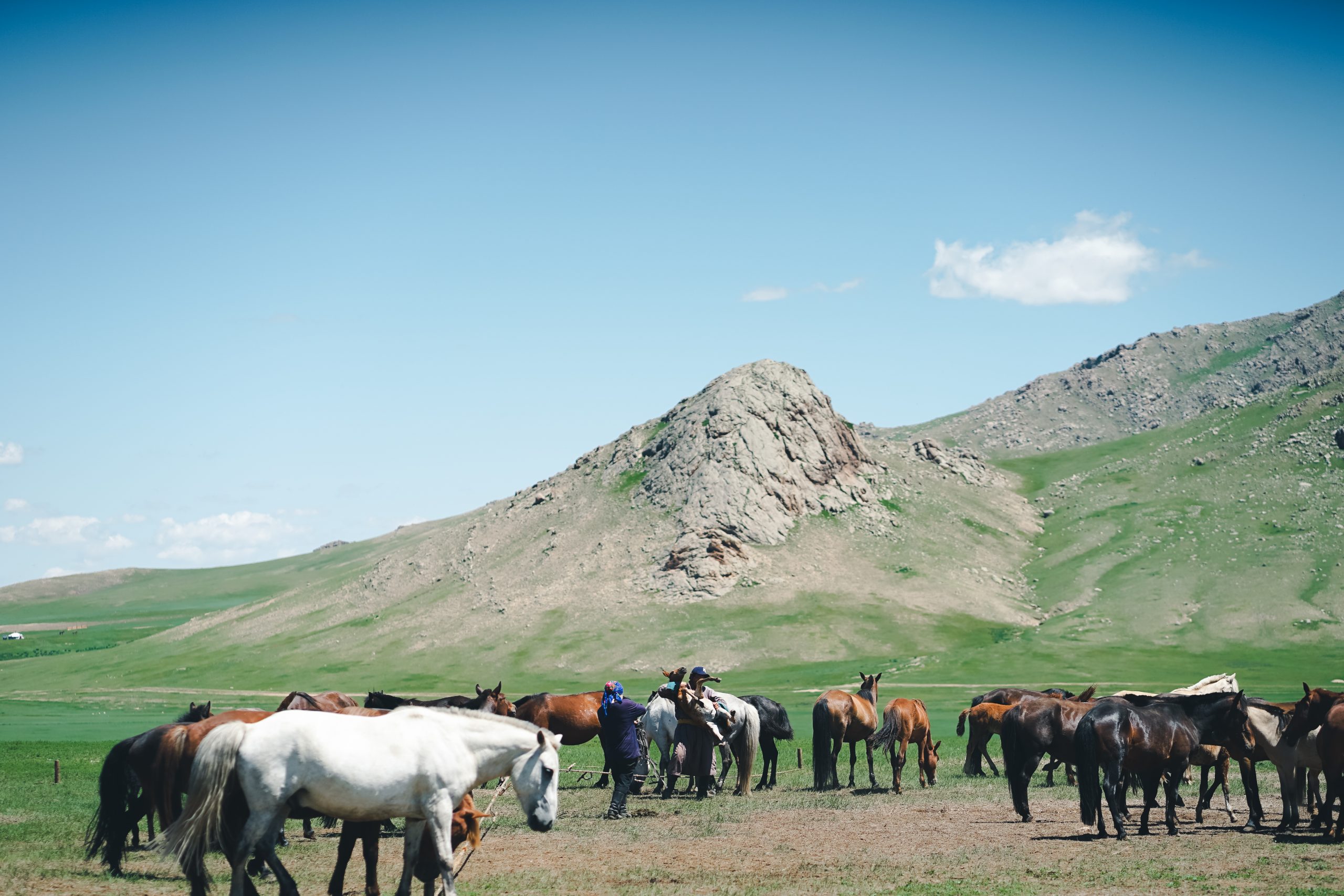
Mongolia is known primarily for Genghis Khan and impressive breeds of horses. Also one of the world’s least-densely populated country: a mere 1.92 people occupy each square kilometer of this enormous landmass. The difficulty in occupying much of the land, coupled with the fact that it is bordered by both Russia and China go a long way in justifying its low population density, however, a quickly-growing population could change this nation’s ranking in coming years. In Gobi you will just feel the emptiness and virgin nature. It takes 6 days to cover highlights of Gobi.
Ulaanbaatar
In the morning
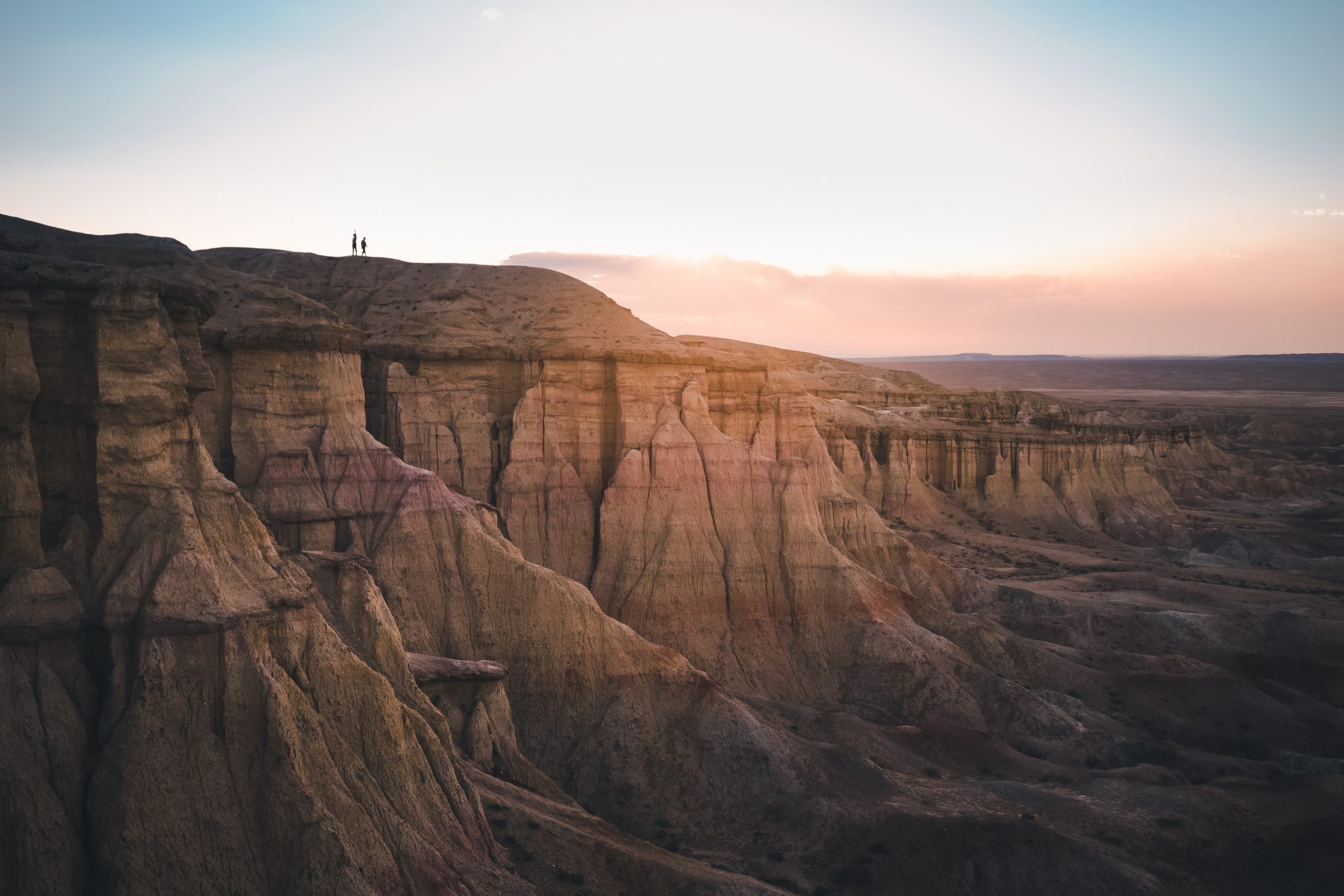
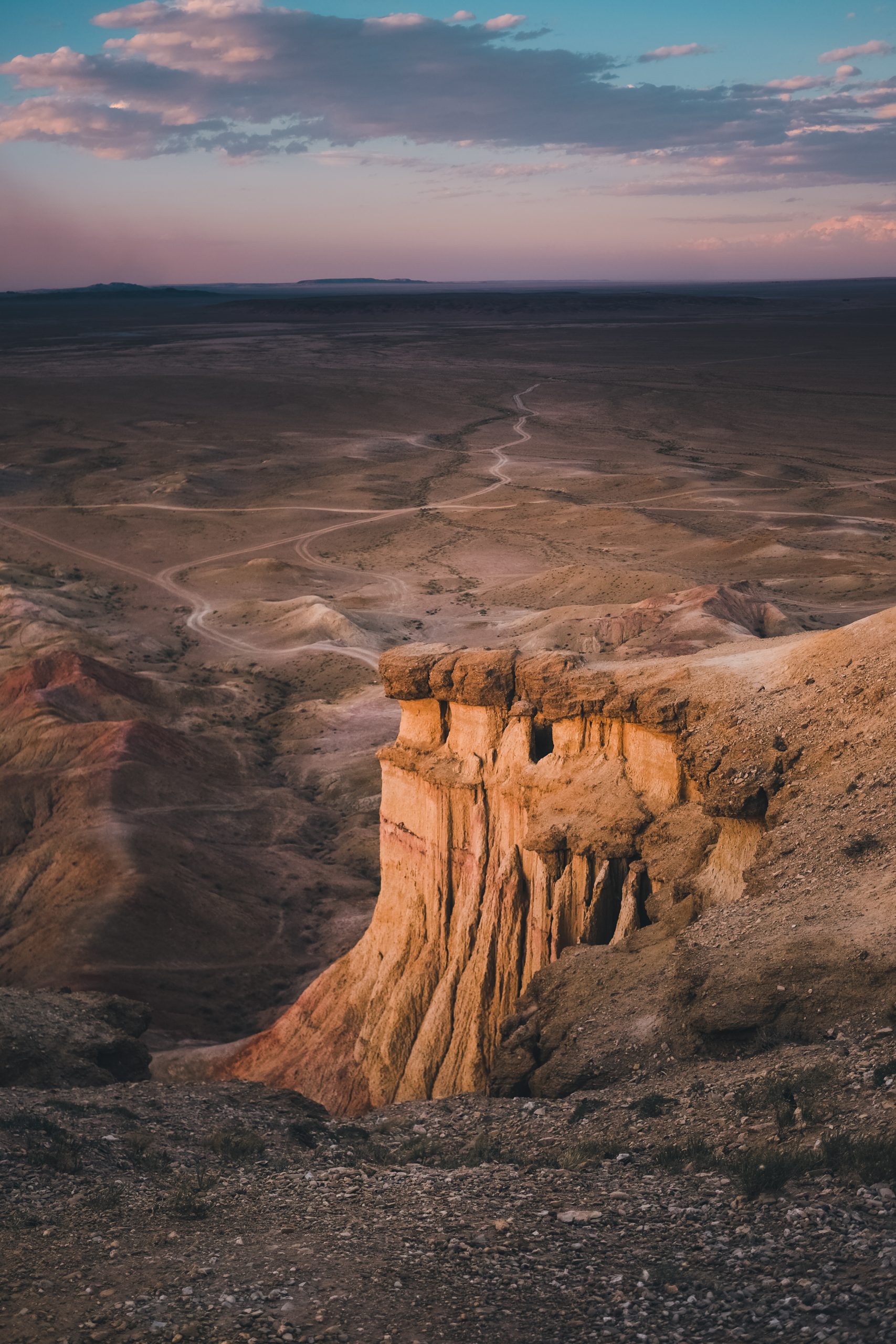
The scarp of Tsagaan Suvarga is located in Ulziit soum of Dundgovi province. It is interesting to see the sheer slope, facing east, which from a distance seems to be the ruins of the ancient city. The cliff is 30 meters high and 100 meters wide. Over thousands of years the wind has created this amazing structure. It is sheer slope and was an old seabed with sedimentary structure created by millions years and the different colors of the ground represent different times.
Yol valley is situated in east north part of Zuun Saikhan Mountain. This area has been main attraction of tourists for many decades. Very wide at the entrance, it narrows gradually into a remarkable gorge. In spring two or three kilometers long winds its way through the defile and in July, freezing into a thick corridor of ice that stretches along a considerable distance. Also you will see the “Mukhar shivert” canyon where you will see the frozen waterfall. That stands there for whole year around.
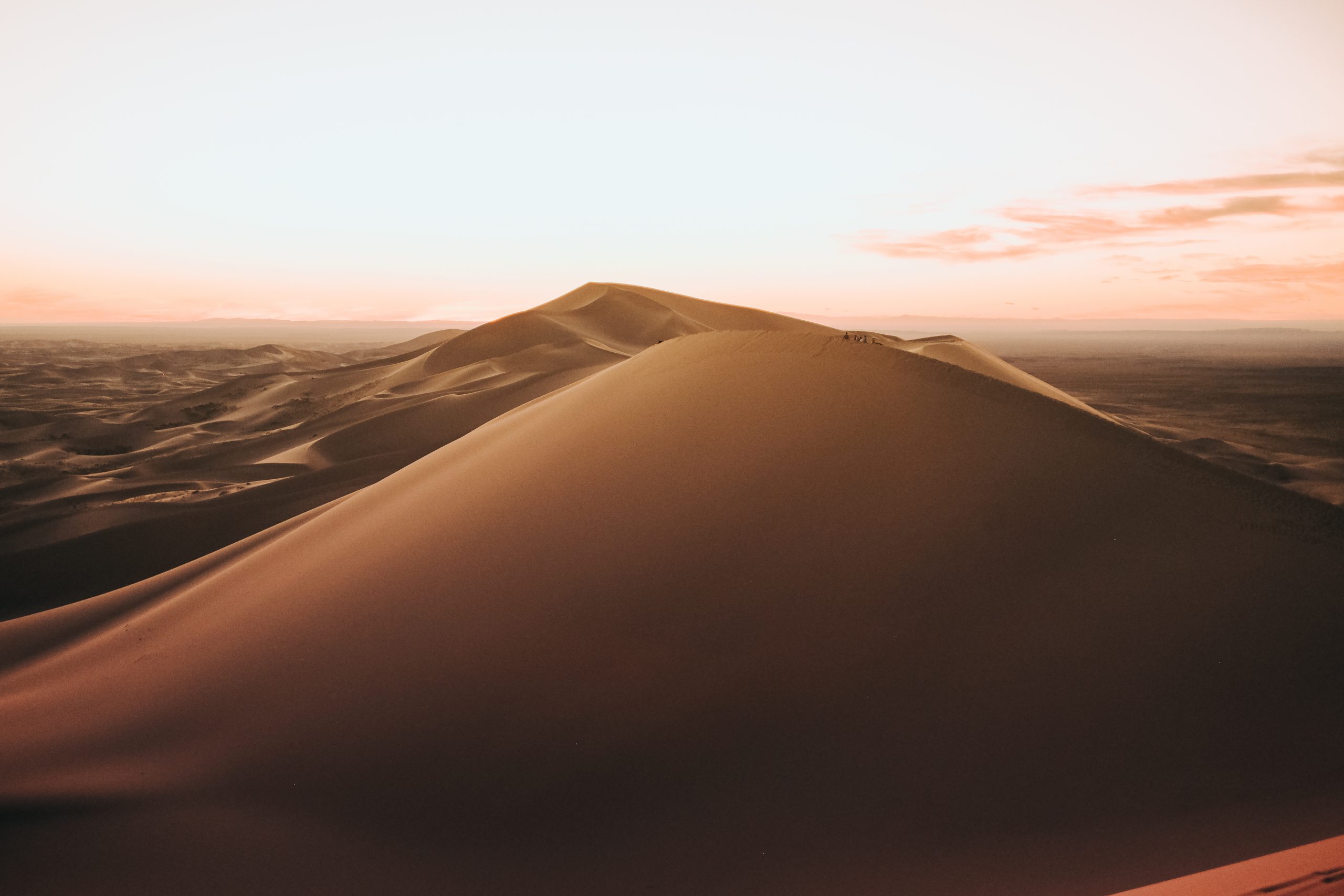
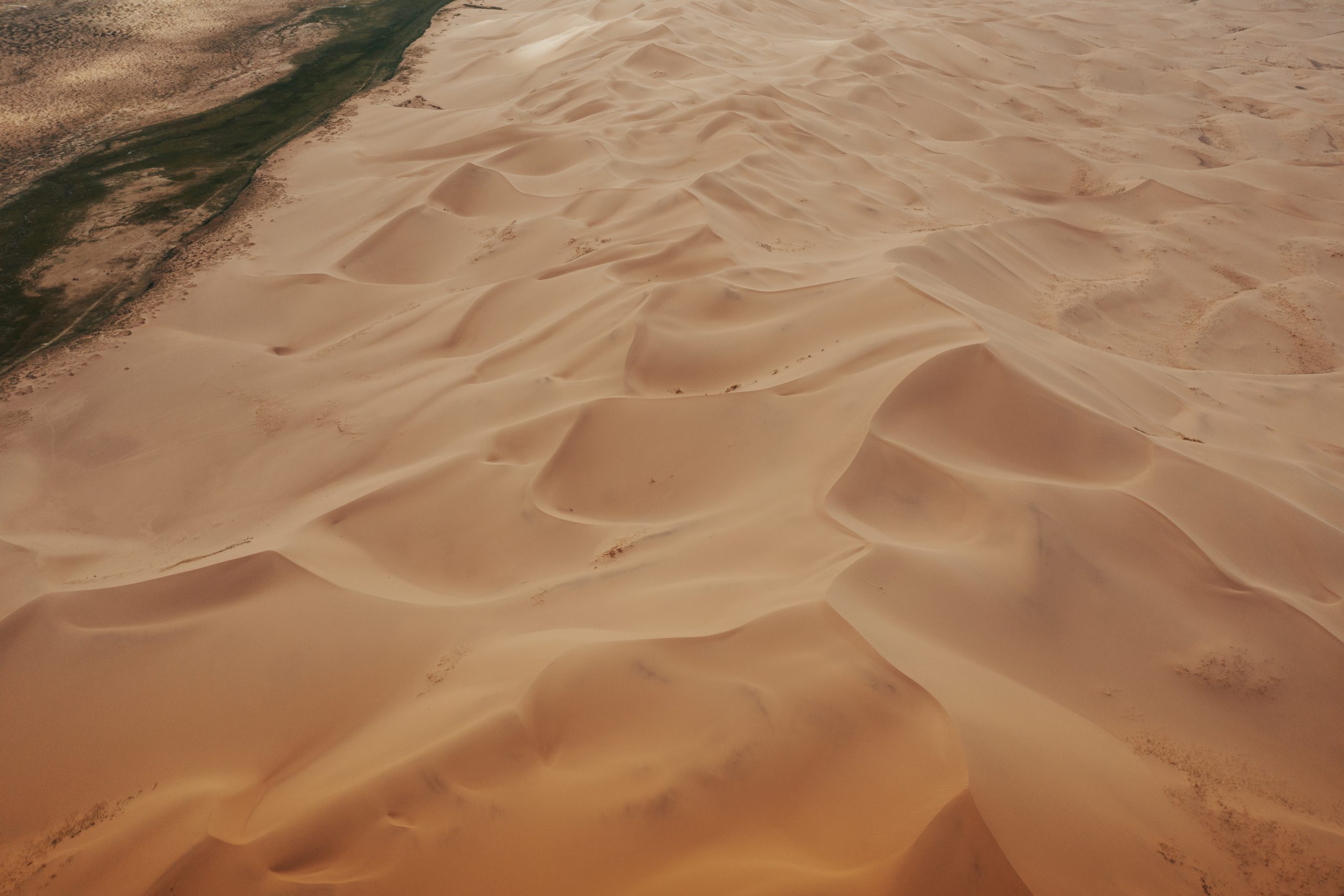
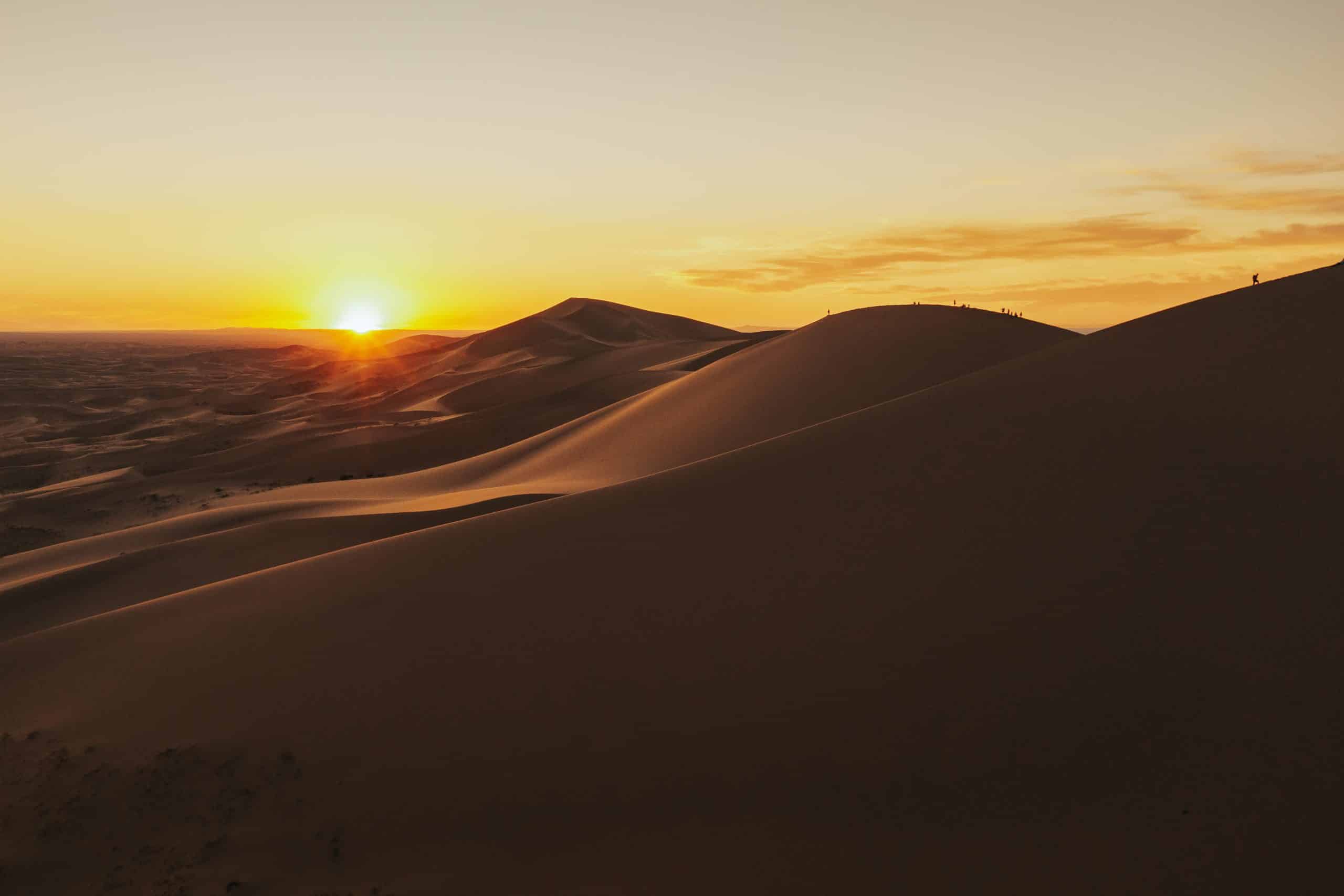
Khongor Sand Dunes are the largest and most spectacular sand dunes situated in Sevrei soum. Also known as the “singing dunes”, they are up to 800 m high, 20 km wide and about 100 km long. The spectacular dunes are bordered by lush green vegetation supported by a small river Khongor, which is fed by underground sources from surrounding mountains.
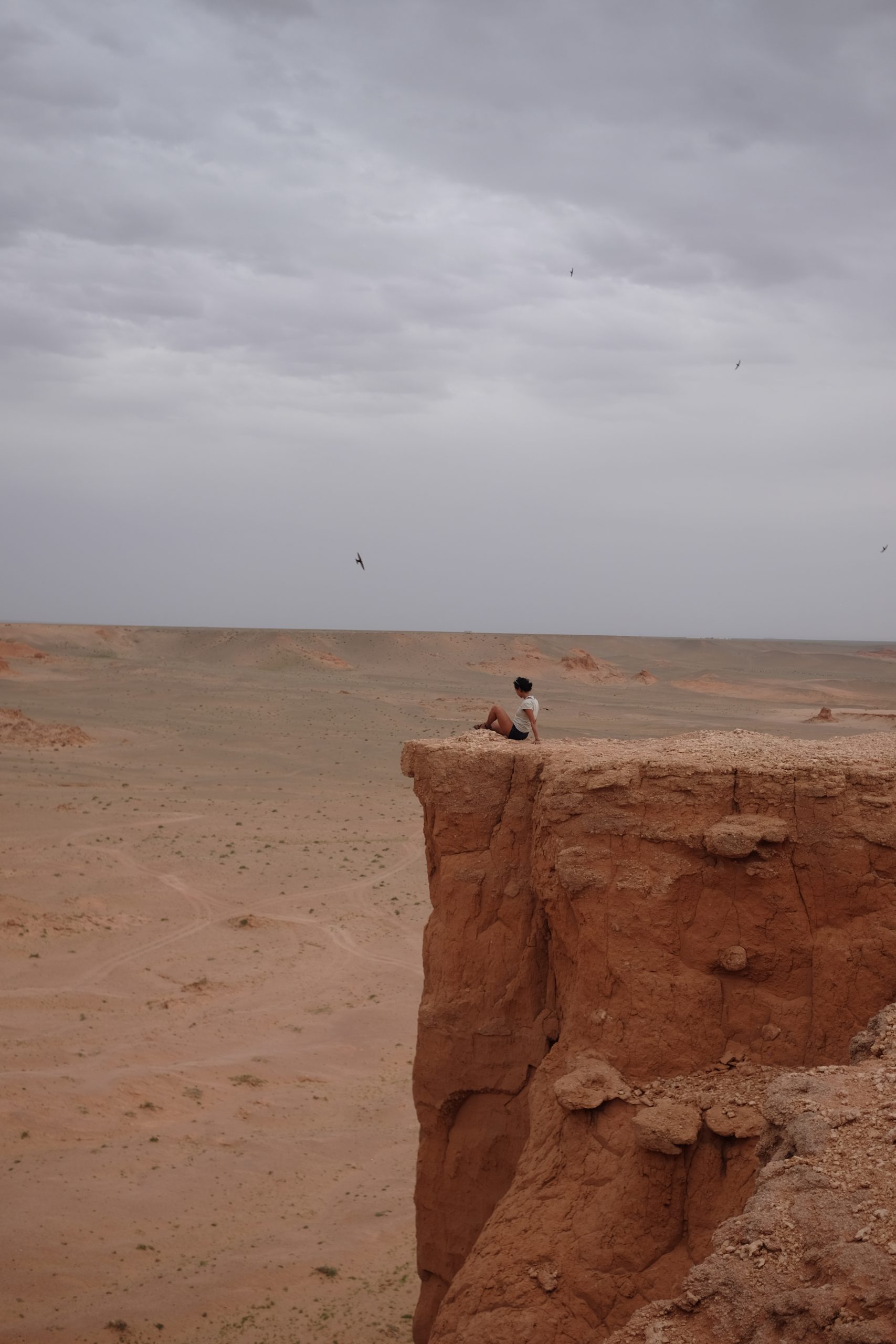
Flaming cliffs are located in the province of Umnugobi (“South Gobi”). Its name means “rich in saxaul”, an endangered Central Asian tree 2 to 9 m high, whose roots are precious to protect soil from erosion.Significant paleontological discoveries have been made there, especially by American paleontologist Roy Chapman Andrews in 1920: fossilized dinosaur eggs and specimens of Velociraptor. Its nickname of “Flaming Cliffs” is due to the orange-red rock the mountain is made of.
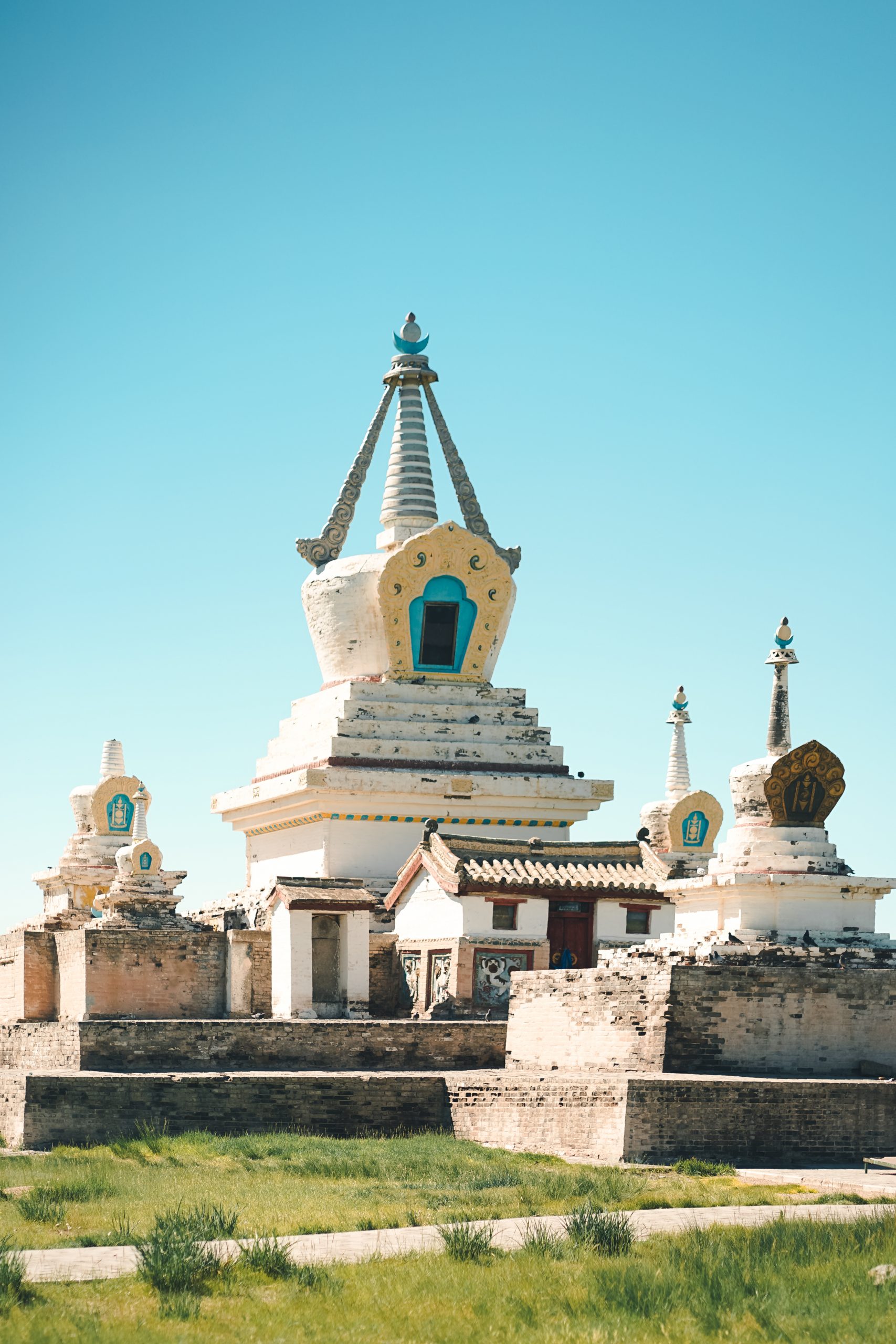
Ongi monastery is the ruin of a big monastery on the bank of the Ongiin River. Ongi monastery has 28 temples and other buildings on the south slope of the Rocky Mountain like Balsa country and stupas which are not broken. Ongi monastery had about 1000 lamas and it was destroyed during the Stalinist purges in 1930s.The ruins of Ongi Temple are found in Saikhan Ovoo soum of Dundgobi (Middle Gobi) province.
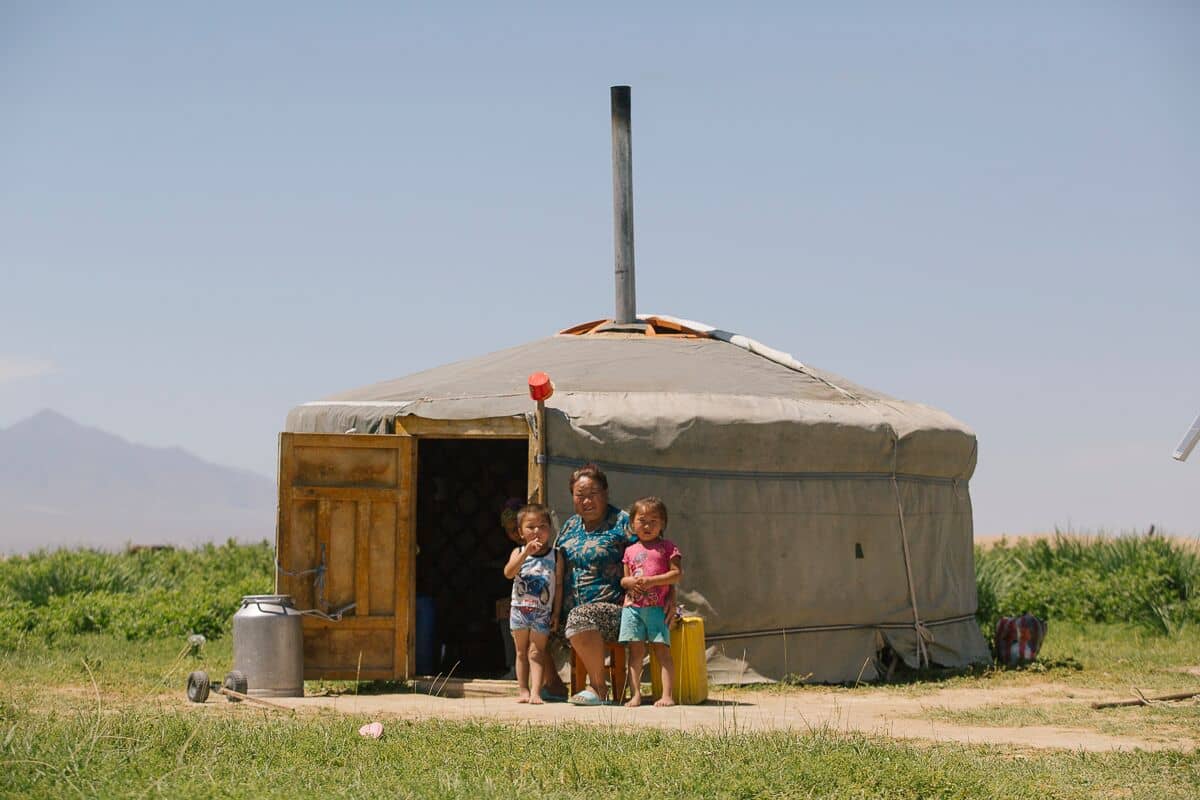
Mongolians are the last nomads in the world. Therefore this lifestyle makes us unique on the earth. We will visit a true nomadic family. The purpose of the stay at a local family is to experience the true culture of Mongolian nomads. You will see how they herd their livestock; make dairy products, and traditional clothes.
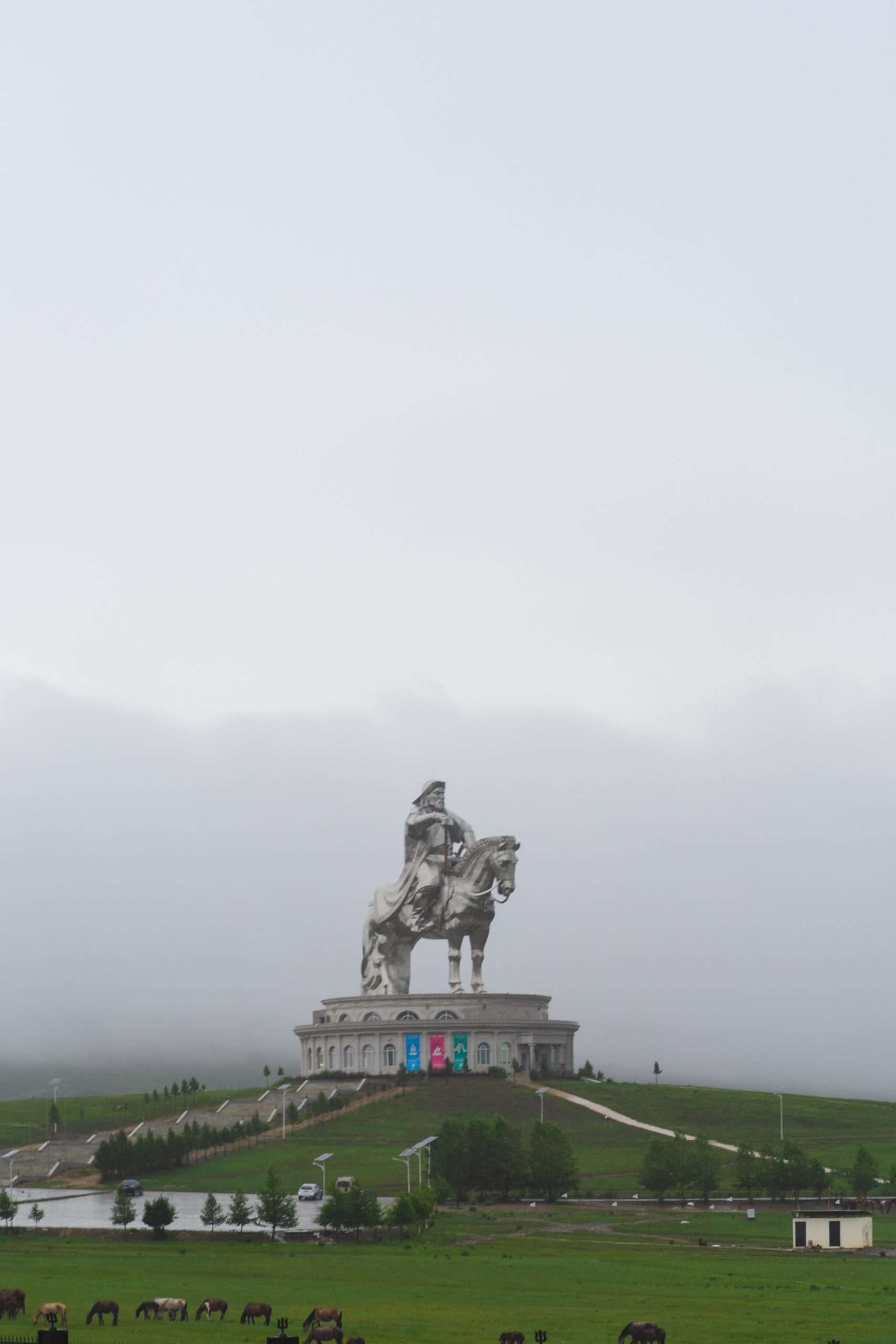
Terelj is one of the most touristic attractions around Ulaanbaatar city. It has been the strictly protected area since 1965. It’s connected with Ulaanbaatar by a paved road. The park wildlife includes brown bears, grey wolves, foxes and over two hundred species of birds. Also the Tuul river flows through the national park. The Gorkhi-Terelj National park has many rock formations for rock climbers. We will hike to Turtle Rock and Ariyapala Meditation Center. Of course we’ll visit to Genghis Khan Statue Complex.
The Chinggis Khan Statue is 40-metre (130 ft) tall statue of Chinggis Khan on horseback, on the back of the Tuul river at TSONJIN BOLDOG. The statue is symbolically pointed east towards his birthplace.